Why the Same Wide-Leg Pattern Can Look Elegant or Sloppy Depending on Fabric Weight
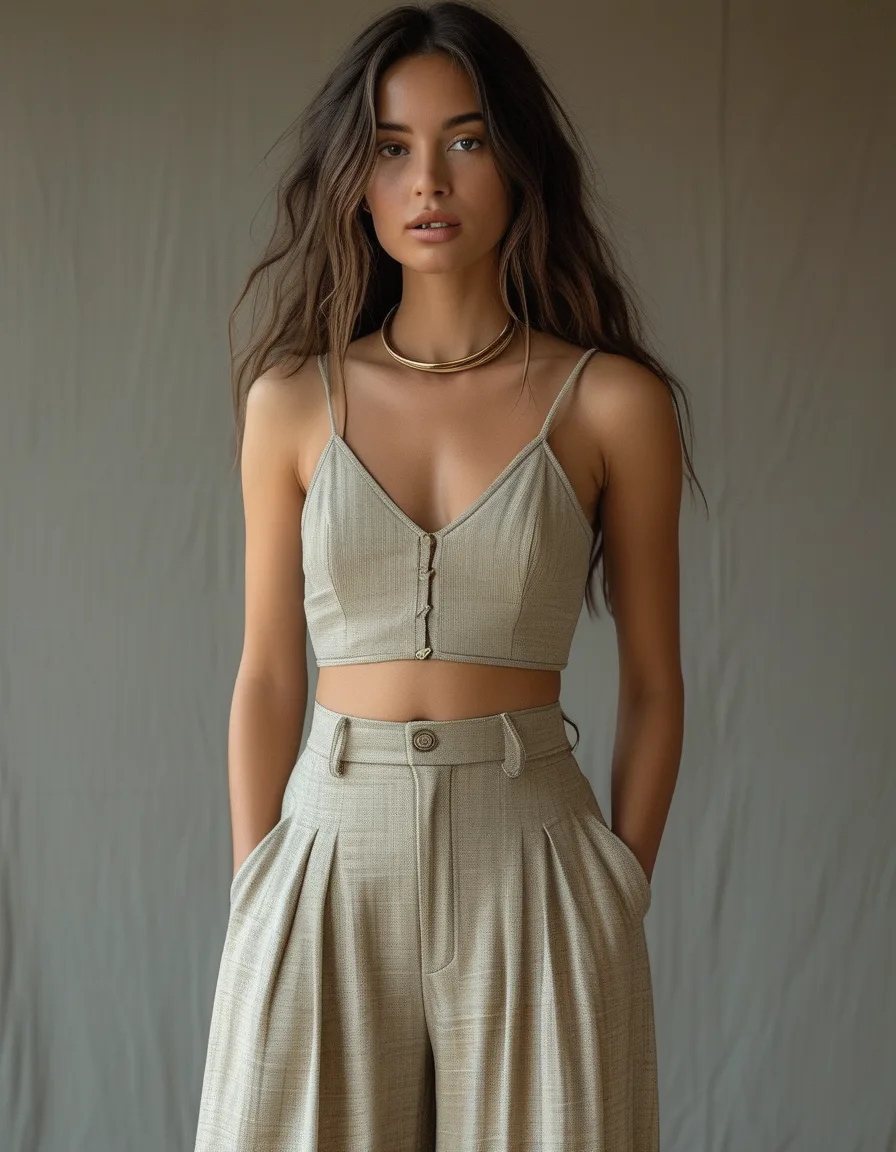
A pair of wide-leg trousers that looks shapeless and inflated gets blamed on the cut itself, prompting a switch to a narrower silhouette entirely. But it’s usually fabric weight doing the damage, a lightweight, thin fabric in a wide-leg cut tends to balloon and lose its line, while the identical pattern in a heavier, structured fabric drapes cleanly along the leg the way it’s designed to.
Why the Cut Gets Blamed for a Shapeless Look
The pattern-first assumption: a wide-leg silhouette itself being the most visible design choice in the garment, which makes it the natural thing to question first when the overall look feels off, before considering what the fabric underneath that pattern is actually doing.
Why Fabric Weight Is Actually the Deciding Factor
The drape mechanics: a wide-leg cut relying on enough fabric weight to fall in a clean vertical line under its own gravity, and a lightweight or overly thin fabric lacks that weight, catching air and puffing out sideways instead of falling straight, while a heavier fabric, wool blends, heavier cotton twills, or structured synthetics, has enough weight to drape cleanly along the same cut.
Why Lightweight Wide-Leg Options Still Get Chosen Often
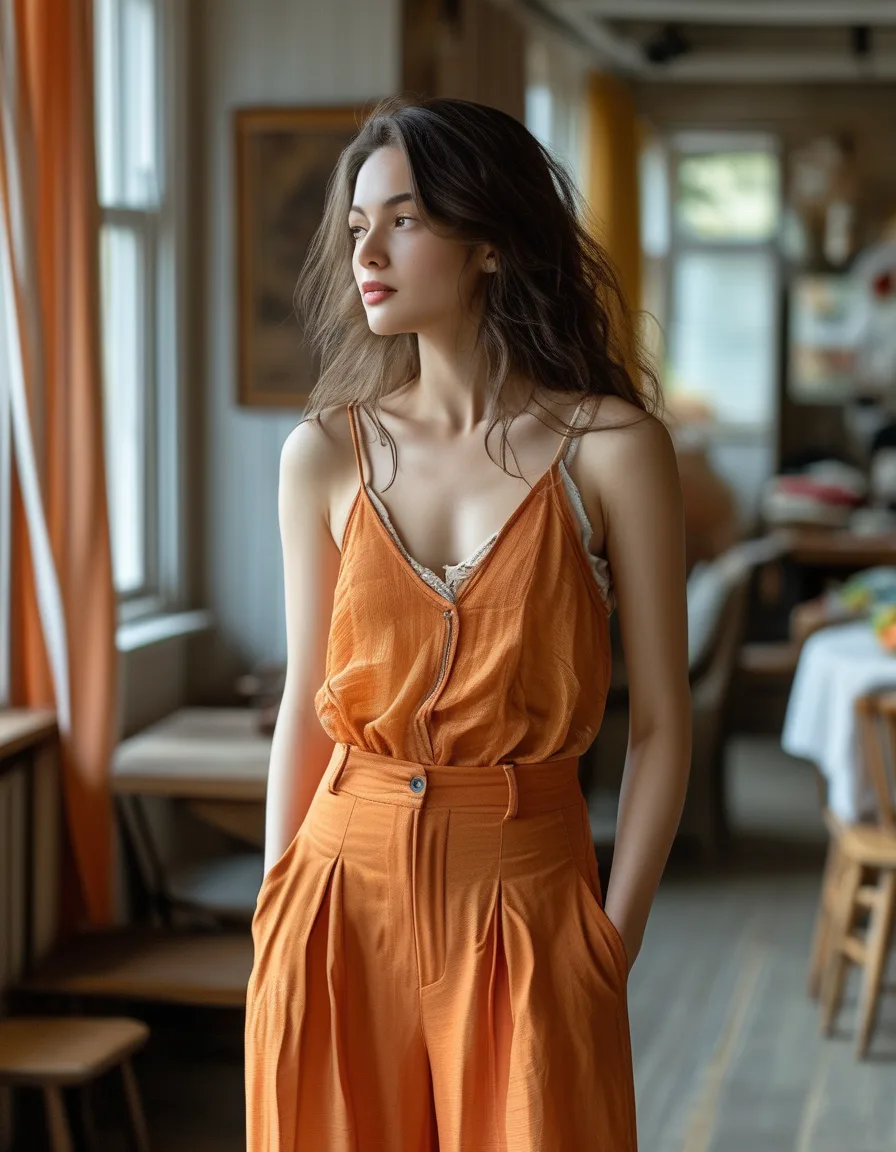
The overlap: lightweight fabrics being marketed heavily for wide-leg trousers, especially for warmer seasons, since they’re more comfortable in heat, which means the shapeless-drape risk often gets accepted as an unavoidable tradeoff for breathability rather than something to actively check for.
How to Actually Choose Wide-Leg Fabric Weight
The practical check: holding a wide-leg fabric up and letting it hang to see whether it falls straight or flares outward on its own, favoring a mid-to-heavier weight for structured drape even in warm-weather fabric options, and the frame (fabric weight, not the wide-leg cut itself, determines whether trousers drape or balloon — checking how a fabric hangs is what actually predicts the silhouette.)
A pair of wide-leg trousers that looks shapeless gets blamed on the cut itself, prompting a switch to a narrower silhouette. But a wide-leg cut relies on enough fabric weight to fall in a clean line under its own gravity, and a lightweight fabric lacks that weight, catching air and puffing out sideways instead, while a heavier fabric drapes cleanly along the same cut. Lightweight fabrics get marketed heavily for wide-leg trousers in warmer seasons, so the shapeless-drape risk often gets accepted as an unavoidable tradeoff for breathability. Holding a fabric up to see whether it falls straight or flares is what actually predicts the silhouette before buying.
Keep Reading
This article is for general styling and informational purposes only. Trends, sizing, availability and pricing may vary by brand and season.