Wide-Leg Trousers: The Most Flattering Shape You're Not Wearing
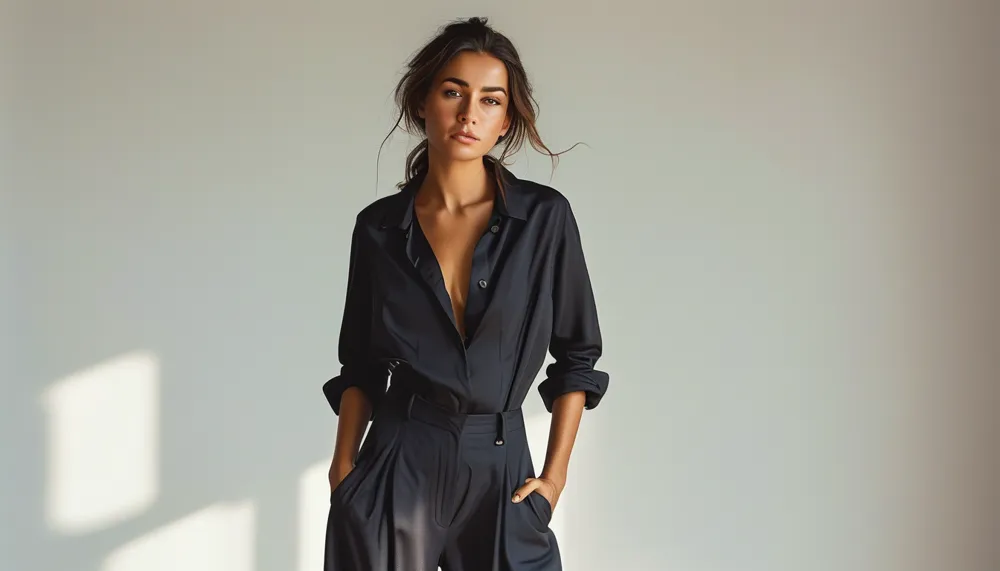
Quick Answer: Wide-leg trousers flatter almost everyone because a high waist plus a fluid, skimming leg creates one long vertical line instead of clinging to hips and thighs. Get three things right — a true high waist, a length that grazes the floor or just touches your shoe, and a fabric with enough weight to drape — then balance the volume with something fitted on top.
Your drawer is skinny jeans, slim chinos, and one pair of leggings doing far more work than it signed up for.
Meanwhile the most comfortable trouser shape in fashion is also the most flattering one, and you’ve been walking past it for years.
Wide-leg trousers skim instead of cling, they make legs look longer, and they read effortlessly expensive. Here’s how to actually make them work.

Why Are Wide-Leg Trousers So Flattering?
It comes down to line. A slim trouser traces every curve and creates three or four visual breaks between your waist and your ankle. A wide-leg trouser creates one clean vertical from the waist down.
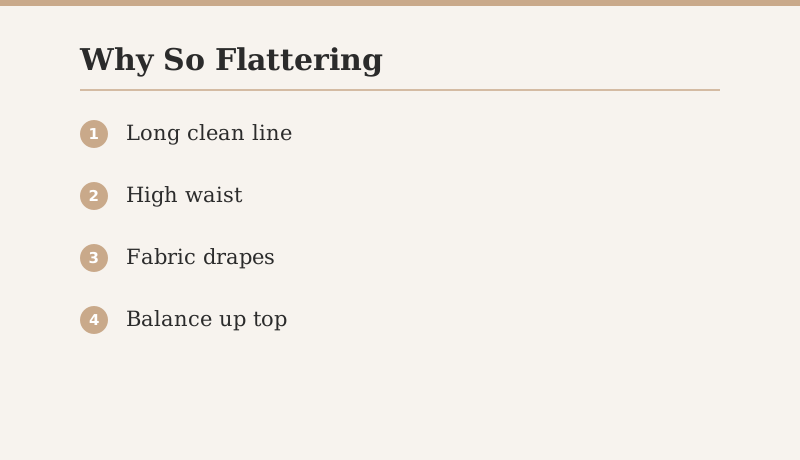
Three things happen at once:
- The high waist raises your visual leg line. Your legs read as starting several inches higher than they do, which lengthens the whole silhouette.
- The fabric skims rather than grips. Hips and thighs aren’t outlined; they’re passed over.
- The width balances the shoulder. Volume at the bottom makes the upper body read smaller by contrast — the same trick a full skirt has been doing for a century.
And unlike most “flattering” advice, this one comes with actual comfort. You can sit through a three-hour dinner in wide-leg trousers without unbuttoning anything.

How Should Wide-Leg Trousers Fit?
Waist and hip: fitted. This is the part people get wrong. The trouser should sit snugly at your natural waist and skim the hip, then release into width from around mid-thigh. If it’s loose at the waist too, you’ve got pyjamas.
Length: long. Wide-legs should graze the floor in your chosen shoes or just touch the top of the foot. Break the line with a visible ankle gap and you lose the exact effect you bought them for. This means a 5’4” wearer usually needs a hem, and a 5’10” wearer should be shopping tall.
Rise: high, and genuinely high. Look for a rise of about 11-13 inches. Plenty of trousers labeled “high waist” sit at the low hip, which does nothing for leg line.
Buy for the shoe you’ll wear most. If you’re a flats person, hem for flats — a trouser hemmed for a 3-inch heel puddles sadly on the floor without one.

What Fabric Should Wide-Leg Trousers Be?
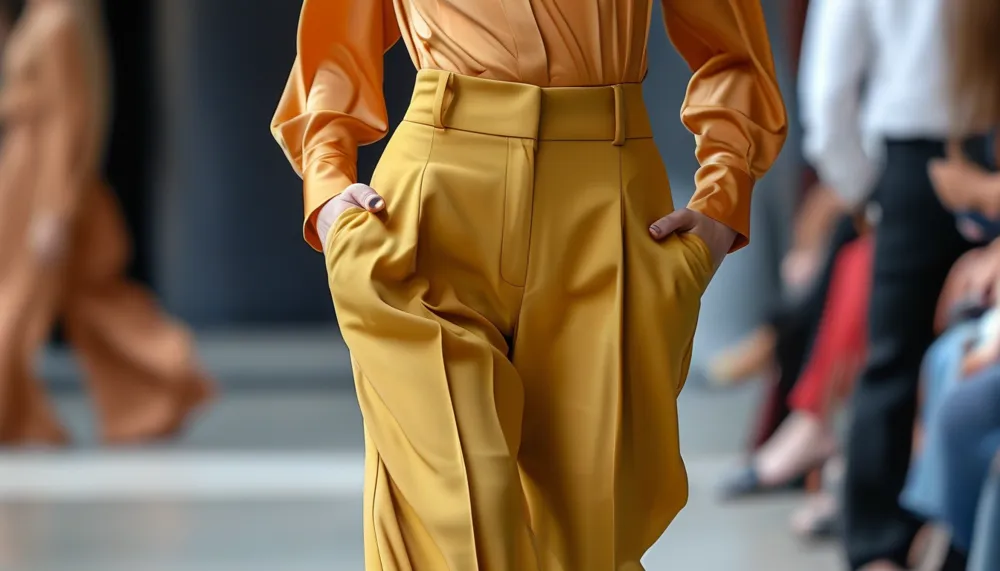
Weight is what turns width into elegance. Too light and the fabric flutters and clings; too stiff and it stands away from the body like a lampshade.
The reliable choices: a good crepe (drapes beautifully, resists wrinkles, works year-round), a wool or wool-blend suiting (the classic tailored option), heavier linen for summer, and a substantial Tencel or viscose twill.
The ones to be careful with: thin rayon that goes limp after two wears, and unlined light-colored fabrics that turn sheer in daylight. Hold them up to a window in the store — it takes three seconds.
For the activewear-adjacent version of the same silhouette, a heavier knit or a structured bootcut yoga pant gives you the long line with stretch, which is why that shape has quietly become an all-day staple rather than a gym-only one.
Myth vs Fact: Wide-Leg Trousers
Myth: “Wide legs only work if you’re tall.” Fact: They work at every height — petite wearers just need a properly hemmed length and a genuinely high rise. The full-length line is what creates height, so cropping them defeats the purpose.
Myth: “They’ll make me look bigger.” Fact: Skimming fabric conceals more than clinging fabric reveals. The volume-plus-fitted-top formula reads slimmer than an all-slim outfit for most body types.
Myth: “They’re a trend that’ll date.” Fact: Wide-leg trousers have cycled through every decade since the 1930s. This is a silhouette, not a season.
Myth: “You need heels.” Fact: A flat with a bit of a sole — a loafer, a clean sneaker, a pointed flat — works fine as long as the hem was cut for it.
How Do You Style Wide-Leg Trousers?
The formula is one word: contrast.
- Tucked tee or fitted knit. The simplest version, and the one that works every time. A front tuck alone is enough to mark the waist.
- Cropped jacket or blazer. Keeps the eye high and prevents the outfit from becoming one long column of fabric.
- Bodysuit. Solves the untucking problem permanently.
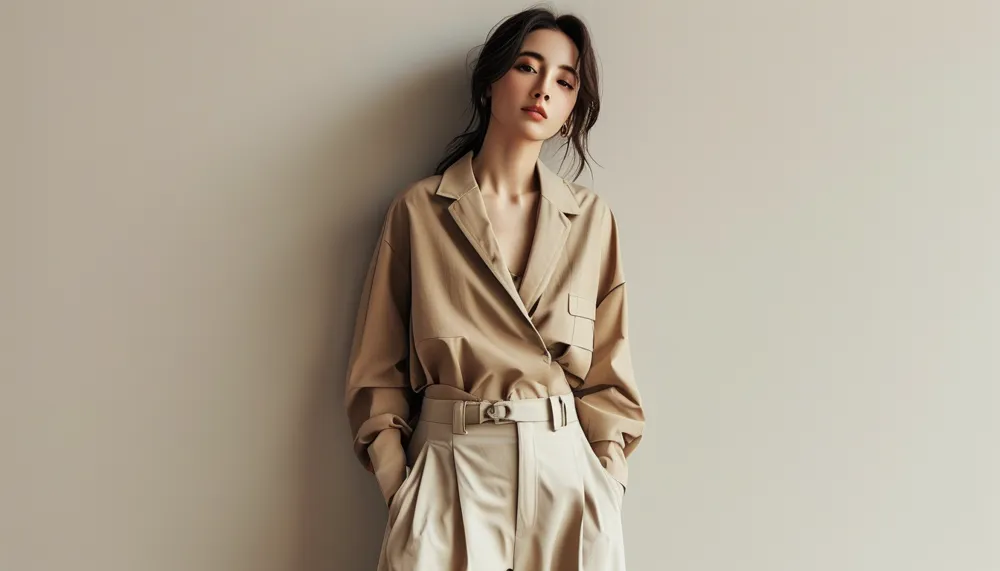
- Belt at the waist. If your top is looser, a belt does the defining work.
The one combination to avoid is oversized on top and wide on the bottom — that’s not a silhouette, it’s a shape you disappear inside. If you love a slouchy sweater, tuck the front or size the top down.
For color, a mid-to-dark trouser in a matching or darker tone than your shoe extends the line furthest. A cream wide-leg with a nude flat does the same trick in reverse.
Mini FAQ
Can petite women wear wide-leg trousers?
Yes, and often better than they expect. The key is hemming to your exact height with your usual shoe on, and choosing a high rise so the leg line starts as high as possible. Avoid cuffed or cropped versions.
What shoes go with wide-leg trousers?
Anything with a bit of a sole: block heels, platform sandals, loafers, pointed flats, clean sneakers. The shoe mostly disappears under the hem, so the priority is height consistency with how they were hemmed.
Are wide-leg trousers office-appropriate?
A crepe or wool-blend wide-leg with a tucked shirt is one of the most polished office outfits available. Just keep the fabric structured — linen reads more weekend than boardroom.
TL;DR:
- Wide-legs flatter by creating one long vertical line: high waist, skimming fabric, balanced proportions.
- Fit: snug at waist and hip, releasing from mid-thigh; rise around 11-13 inches.
- Length: graze the floor or just touch the shoe. Hem for the shoe you actually wear.
- Fabric: crepe, wool blends, heavier linen. Skip limp thin rayon.
- Style with something fitted on top — tucked tee, bodysuit, or cropped jacket. Never oversized on both halves.
Keep Reading
This article is for general styling and informational purposes only. Trends, sizing, availability and pricing may vary by brand and season.